
Transparent billing and efficient waste disposal at the WEBERZEILE in Ried
The initial situation
More than 50 shops in the WEBERZEILE in Ried im Innkreis dispose of their waste every day. A shared waste disposal solution must therefore meet a range of requirements: ease of use in day-to-day operations, cost-effective collection logistics and a transparent allocation of costs amongst the individual businesses.
The challenge
The volumes of waste generated vary from business to business. In order to allocate disposal costs on a ‘polluter pays’ basis, the volumes deposited must be clearly recorded and assigned.
At the same time, it is important to make the best possible use of the compactor container’s capacity and to avoid unnecessary collections. A solution was therefore required that combines collection, compaction and weighing with transparent billing.
The solution
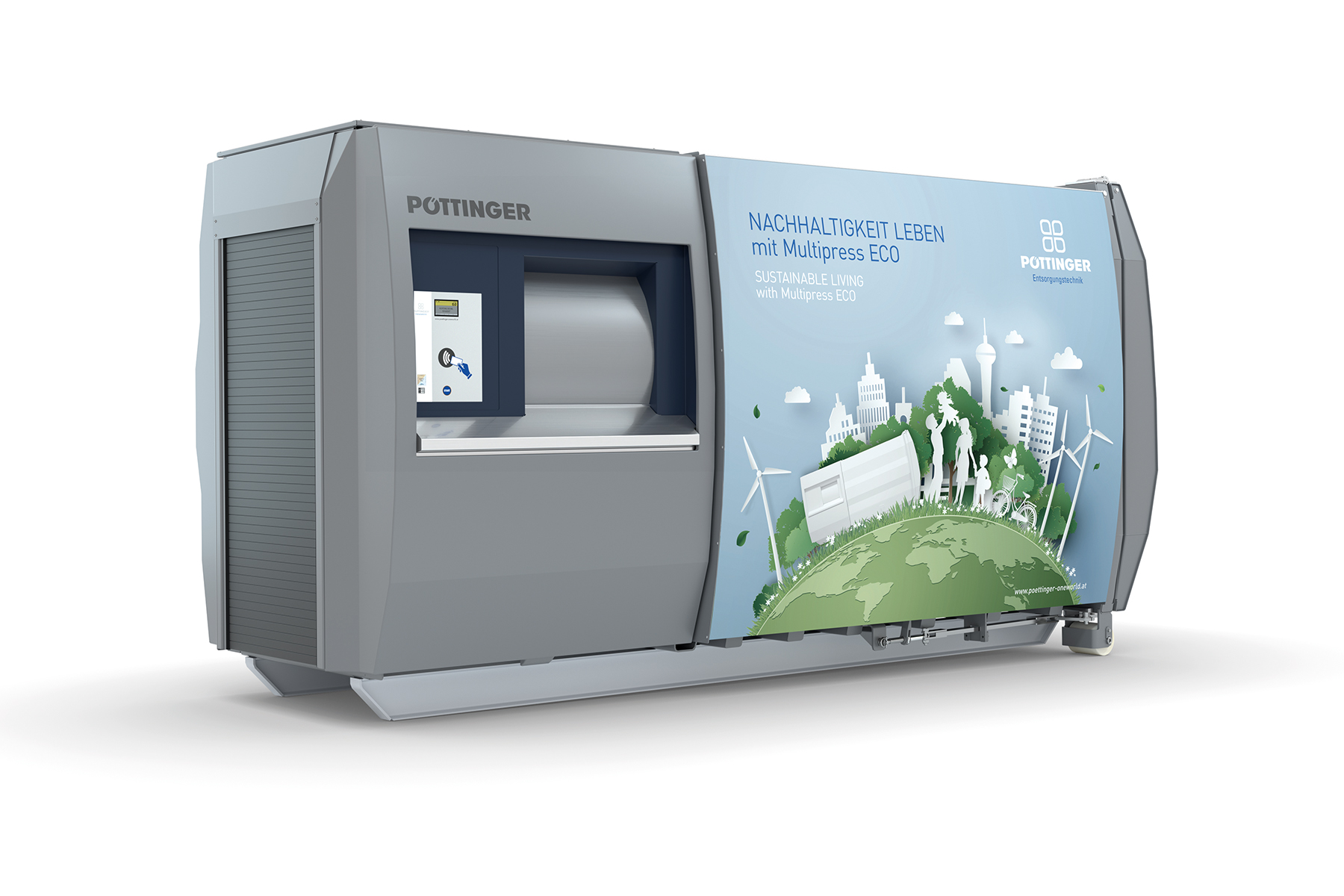
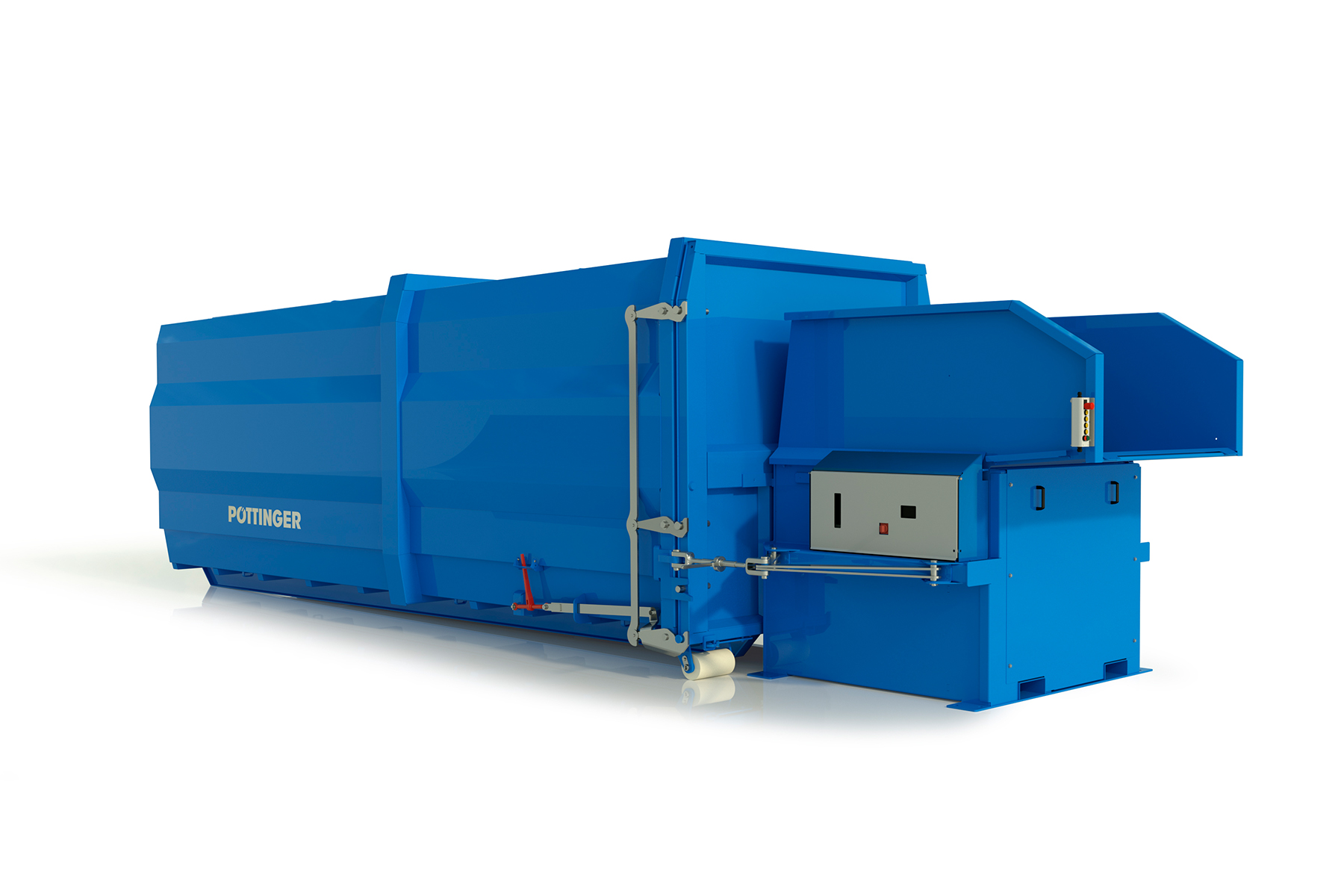
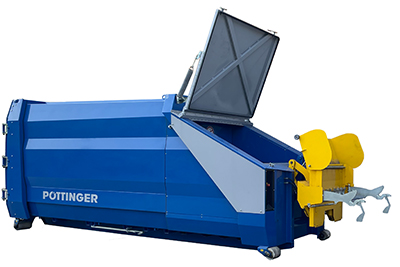
At WEBERZEILE, an ECO Static is used in conjunction with a PÖTTINGER MP 22-1.4 compactor container positioned underneath it. The waste is weighed as it is deposited, allocated to the relevant shop, and then compacted in the compactor container.
In total, around 54 tonnes of waste are collected in this way at the site each year and billed transparently.
Full capacity utilisation instead of half-empty collections
Weight recording also forms the basis for collection logistics tailored to demand. A collection is only organised once the load weight reaches ten tonnes. This ensures that available capacity is used efficiently and avoids the collection of half-empty containers.
This reduces logistical effort and transport costs – and increases the cost-effectiveness of the entire waste disposal process.
Shared, billed individually
Almost 200 cards for more than 50 businesses enable the waste volumes disposed of to be clearly attributed to the correct outlet. Even if a business uses several cards, the volumes are allocated to the relevant outlet. This allows the costs incurred to be passed on transparently and in line with the ‘polluter pays’ principle.
Cards can be easily deactivated if necessary or reallocated to new businesses when there is a change of tenant. This simplifies administration, ensures control over usage and supports the financial stability of the business whilst minimising administrative effort.


